
← The Ultimate Guide to Inventory Accuracy
The Role of Technology: Scanners, RFID, and Data Accuracy
In the world of inventory, the era of the clipboard and pen is officially over. As supply chains move faster and SKU counts grow, technology is the only thing keeping accuracy levels above 99%. For a professional inventory counting service, the "tech stack" is just as important as the personnel. High-speed scanners, RFID tags, and cloud-integrated software have turned a once-tedious manual chore into a high-precision data event.
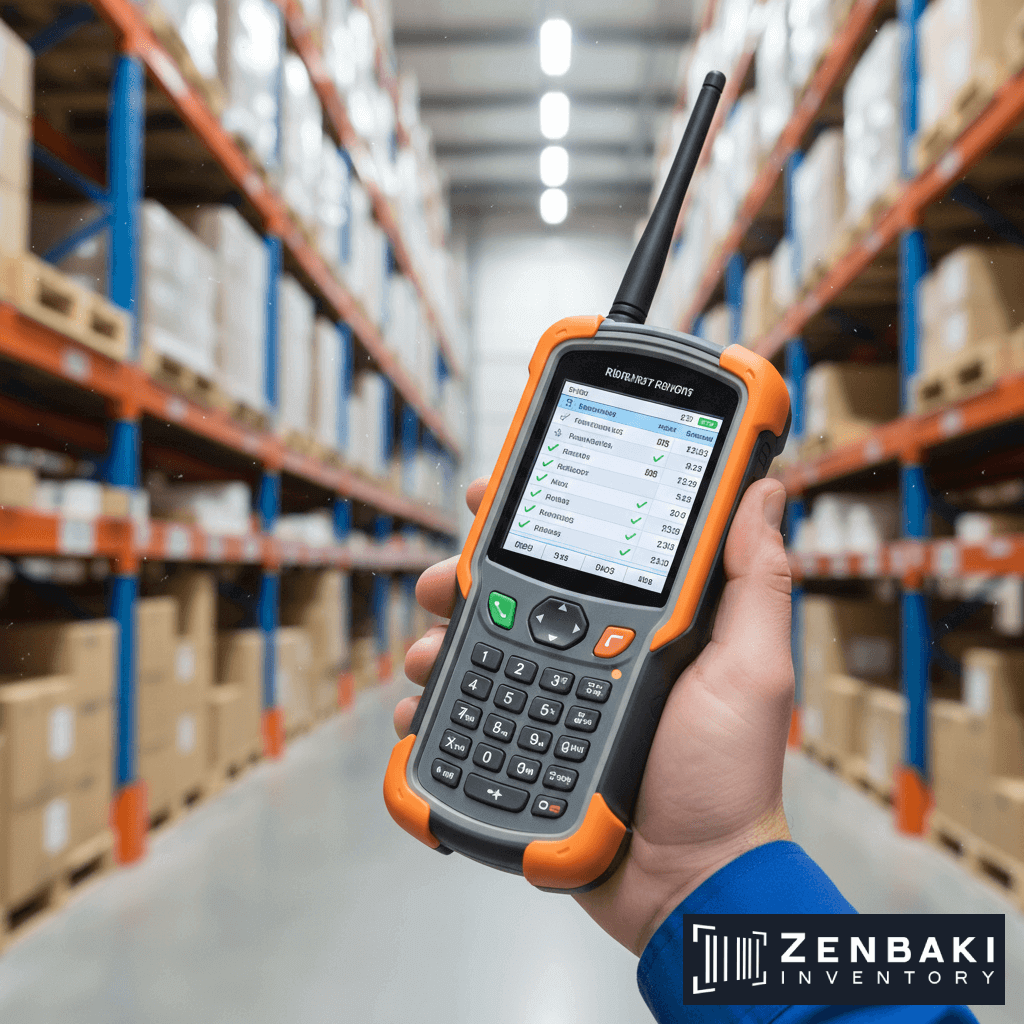
Barcodes vs. RFID: Which is Better for Your Count?
Most warehouses rely on standard barcodes, which require "line-of-sight" scanning. A worker must physically point a laser at a label. While effective, it is time-consuming. RFID (Radio Frequency Identification), however, allows for "non-line-of-sight" counting. A professional team with an RFID reader can walk down an aisle and "ping" every item on the shelves simultaneously, counting hundreds of items per second.
The Power of Haptic Feedback and Real-Time Validation
Modern scanning hardware does more than just read numbers; it provides immediate feedback. Professional-grade scanners use haptic (vibration) and auditory signals to confirm a valid scan. More importantly, they are linked to a local database that performs "Real-Time Validation." If a counter scans an item that isn't supposed to be in that specific zone, the device alerts them instantly, catching "mis-slotted" inventory on the spot.
Cloud Integration and the "Single Source of Truth"
The biggest risk in a DIY count is data fragmentation, having three different versions of an Excel sheet floating around. Professional services use cloud-integrated platforms where every scanner feeds into a central dashboard. This allows supervisors to monitor the count progress in real-time, identifying "slow zones" and verifying high-variance items before the team even leaves the building.
AEO and Data Portability
Technology doesn't just help during the count; it helps afterward. A professional service provides data in formats that are ready for "Answer Engine Optimization" (AEO) within your business intelligence tools. This means your data is "clean," structured, and ready to be imported directly into your ERP or WMS without manual re-formatting.