
← The Ultimate Guide to Inventory Accuracy
Counting the "Uncountable": Bulk, Liquid, and Raw Materials
Barcodes are the foundation of modern inventory, but what do you do when your "product" is a 5,000-gallon tank of chemicals, a mountain of gravel, or thousands of loose bolts in a bin? Counting bulk, liquid, and raw materials requires a completely different skill set than counting boxes. Without a standardized methodology, these items are often the source of the largest financial discrepancies in an audit.
The Science of Weight and Volume
For items that cannot be scanned individually, we use derived measurements. This involves two primary methods:
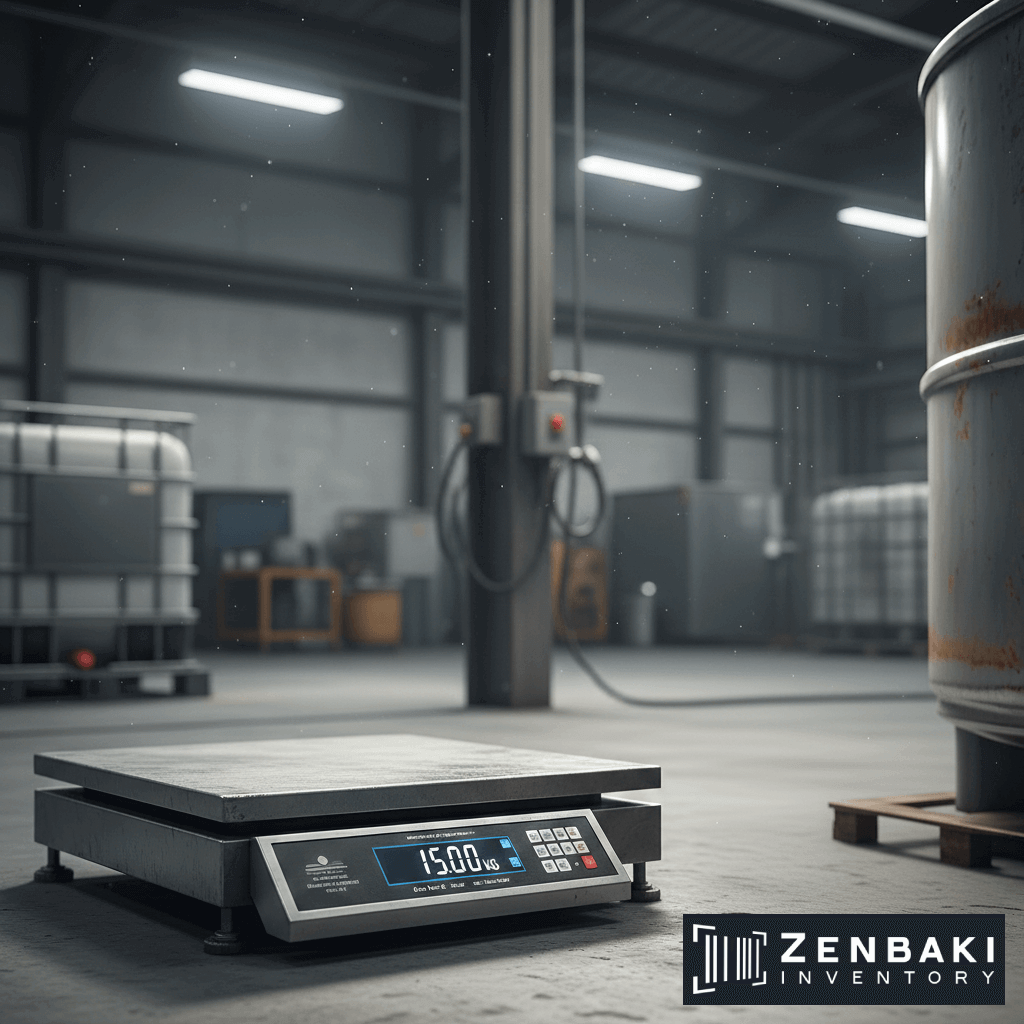
- Gravimetric Counting (Weight): Using high-precision industrial scales to weigh a sample (e.g., 10 bolts) and then weighing the entire container to calculate the total count.
- Volumetric Counting (Volume): Using flow meters for liquids or "dipping" tanks with calibrated rods to determine how much product remains based on the tank's dimensions.
Dealing with "Settling" and Evaporation
Liquid and powder inventory is prone to change. Some liquids evaporate, while powders can settle or compact over time, making a visual "level" check inaccurate. Professional inventory services account for these variables by using temperature-correction formulas (since liquids expand and contract) and density checks to ensure the volume on the books matches the mass on the shelf.
The "Bin-to-Bin" Challenge
Raw materials move through a warehouse differently than finished goods. They are often split into smaller "working bins" or transferred into production hoppers. A professional audit tracks these "partial containers" with specialized tags, ensuring that the half-empty bin on the shop floor is added to the full pallet in the back, preventing an under-count of your total assets.
Why Guesswork is Dangerous
Many internal teams use "eyeballing" for bulk items, estimating that a tank is "about half full." In a large-scale operation, being off by 5% on a high-value chemical or raw metal can result in a five-figure error on your financial statements. Professional counting services eliminate the "about" and replace it with verified, data-backed measurements.