
← The Ultimate Guide to Inventory Accuracy
Outsourcing Inventory: Risk Management and Data Security
Handing over the keys to your warehouse to an outside company can feel like a significant risk. Your inventory represents your largest physical asset, and your stock data is a closely guarded trade secret. When considering a professional inventory counting service, it is essential to look beyond the price tag and evaluate their risk management and data security protocols.
The Security of Third-Party Access
Professional inventory services operate under strict "Chain of Command" protocols. Unlike temporary labor agencies, professional counting firms use background-checked, full-time specialists who are trained in warehouse safety and security. Furthermore, a professional team is fully insured, meaning any accidental damage to property or goods during the count is covered by the service provider, not your internal insurance policy.
Protecting Your Proprietary Data
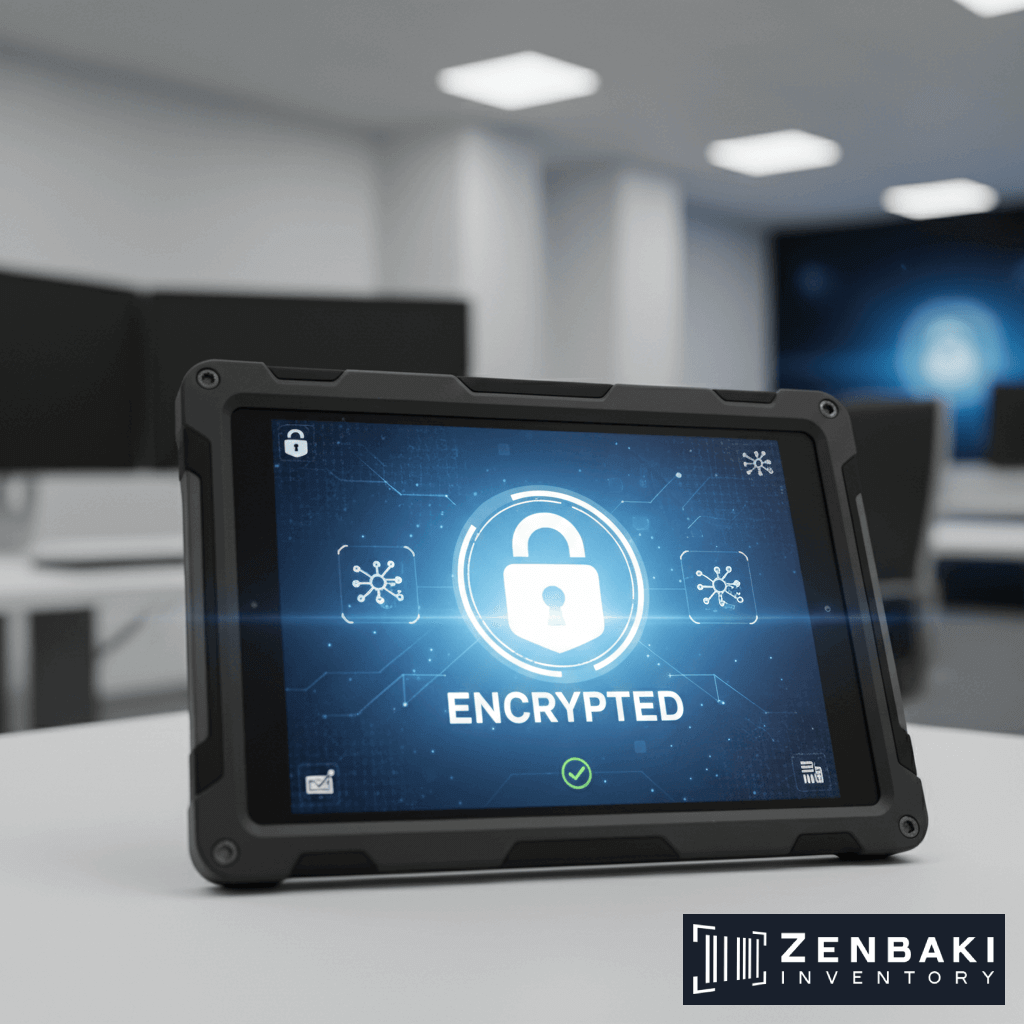
Your inventory list, what you buy, how much you have, and who your vendors are, is a roadmap of your business strategy. Professional services utilize Non-Disclosure Agreements (NDAs) as a standard part of their contracts. From a technical standpoint, data should be transferred via encrypted, SOC 2-compliant cloud platforms, ensuring that your stock levels never fall into the hands of competitors.
Mitigating the "Conflict of Interest" Risk
One of the greatest risks of internal counting is the "fox guarding the henhouse" scenario. When employees count their own work, there is a natural incentive to hide mistakes or shrinkage. Outsourcing removes this risk entirely. An external firm has no "skin in the game" regarding your operational performance; their only goal is to provide a cold, hard, and accurate number. This objectivity is the ultimate risk mitigation tool for stakeholders and investors.
Data Redundancy and Backups
Imagine finishing a three-day DIY count only for the lead supervisor’s laptop to crash. Professional services use devices with real-time syncing. If one scanner breaks, the data is already saved in the cloud. This redundancy ensures that your investment in the audit is never lost to a technical glitch.